Square Container Line Art for Graphics & Coloring Pages Amp
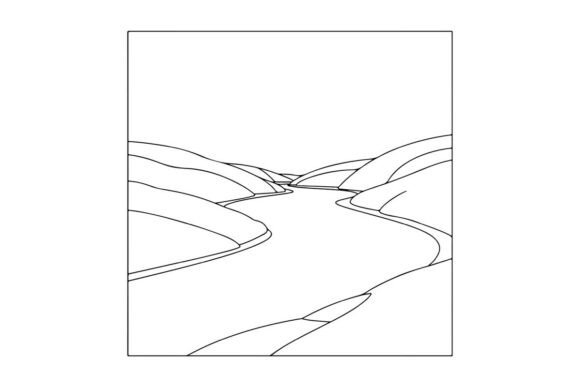
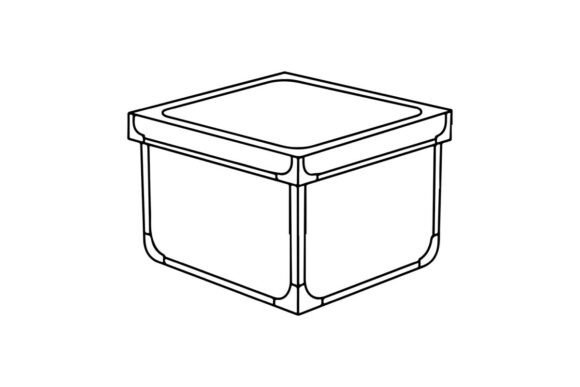
When I first opened the file for Square Container Line Art, I was sketching out a fresh collection of printable coloring books for my Etsy shop. The goal was to add something structured yet soothing, a piece that could anchor a bundle of stress-relief pages without feeling repetitive. This line art design immediately stood out as a strong candidate. The artwork features a square container motif, drawn with clean, bold outlines and a careful balance of internal detail that invites coloring without overwhelming the eye. The visual personality is modern and calming, leaning toward a minimalist decorative style that fits equally well in a mindfulness coloring book, a home décor printable, or even a branding element for a small business.
Why Line Art Assets Like This Attract a Loyal Buyer Base
In my experience selling digital products, the Coloring Pages Amp category thrives on versatility. Buyers looking for coloring pages often want more than a simple picture—they want an experience. The Square Container Line Art delivers that by offering a design that feels intentional and relaxing. The clean line work suggests a stress-free creative session, and the balanced composition means it doesn’t feel sparse or chaotic. This kind of graphic asset appeals to adults seeking art therapy, parents sourcing quiet-time activities, and even crafters who repurpose line art for vinyl cutting or sublimation. The mood is refined yet accessible, so it can sit comfortably in a premium planner sticker pack or a rustic-themed printable bundle.
What I appreciate most is the subtle versatility. The square container shape acts as a frame, making it easy to imagine this design filled with soft florals, geometric patterns, or even playful doodles. That flexibility gives the asset a longer shelf life across multiple product lines. I’ve already tested it in a few mockups and it adapts cleanly to different color palettes, which is a key factor when building a cohesive shop aesthetic.
How I Test a Graphic Asset Before Publishing a Listing
Whenever I source a new Graphics asset like this, I run it through a standard evaluation process. I’m not just looking for a pretty picture—I’m building a sellable product. For Square Container Line Art, I began by opening the file in multiple programs to check compatibility. The PNG file had a transparent background and crisp edges at 300 DPI, which is essential for printables. I then imported the SVG version into Cricut Design Space to confirm cut lines were clean and free of stray nodes. A quick test cut on cardstock proved the shapes were well-defined enough for sticker making, an important use case for many of my craft-focused customers.
Next, I printed the design on matte paper and offered it to a few test colorists. Feedback was consistent: the line art felt professional and the spacing gave enough room for marker blending without bleeding across borders. That real-world check is what separates a design that looks good on screen from one that actually sells. I also placed the design on a light background thumbnail and a dark product mockup to see how it reads at a glance. The contrast held up nicely, though I did notice that on a very dark background, the outermost border needed a slight stroke adjustment if I wanted to use it as a standalone clipart. That’s a small fix, but worth noting when you’re preparing multiple listing images.
Practical Product Ideas That Go Beyond a Simple Coloring Page
While the description highlights a calming coloring experience, I immediately saw wider potential. Here are a few ways I’ve already mapped out Square Container Line Art for commercial use:
- Printable wall art: The minimalist structure makes it ideal for a modern home office or nursery print, especially when paired with a soft watercolor background.
- SVG cut files: The container shape works perfectly for a gift box template, a layered card topper, or a vinyl decal for storage jars.
- Sublimation designs: I tested a mirrored version on a sublimation blank coaster and the bold lines transferred cleanly without distortion.
- Planner stickers and digital scrapbook elements: The compact square format fits nicely into a sticker sheet layout, and the transparent PNG allows for easy layering in Canva.
- Greeting card templates: By placing the line art inside a folded card design and adding a subtle “thank you” or “hello” in a script font, I created a stylish, low-effort product.
- Canva template packs: For sellers who build social media graphics or Pinterest pins, this line art can be used as a decorative frame for quotes or announcements.
What’s important is that each of these applications maintains the core charm of the design while giving the end customer a ready-to-use item. When I package such assets, I always include a clear usage guide and a few mockup examples, which significantly boosts buyer confidence and reduces after-sale questions.
Where This Design Shines—and Where It Needs a Little Caution
After working with the file, I’ve identified clear strengths and a few watchpoints. The Square Container Line Art excels in large previews, themed bundles, and decorative layouts where its clean lines can be fully appreciated. It’s especially effective on product mockups that use a white or light neutral background, because the contrast stays sharp and the thumbnail reads well in a crowded marketplace feed. This is a big deal for Etsy sellers who rely on that split-second click-through decision.
However, I’d be cautious with these scenarios:
- Very small sticker details: If the design is scaled below 2 inches, some of the finer internal elements may become too delicate to weed easily for vinyl cutting.
- Text-heavy templates: The balanced composition of the container can get visually cluttered if you overlay a lot of words. I’d recommend using it as a subtle background element rather than a central frame when text is the main focus.
- Low-resolution print products: Any line art will suffer if the DPI drops below 300, so always check your export settings, especially for large-format prints.
- Dark background mockups without adjustment: As mentioned, the perimeter line may need a slight white offset or a stroke tweak to maintain definition on a black or charcoal background.
These aren’t dealbreakers—they’re just the kind of practical notes I keep in my production log so I don’t waste time troubleshooting later.
Seller Tips for a Polished Final Product
If you’re preparing Square Container Line Art for an online shop, I’d recommend a few extra steps that go beyond the basic file download. First, test the design on an actual product mockup in your niche. For a coloring book, that means printing the page and snapping a real-life photo; for a sublimation mug, order a single sample. Customer trust is built on authenticity, and a genuine mockup always outperforms a digital composite.
Second, organize your file delivery carefully. I group the PNG, SVG, and any additional formats into clearly labeled folders, and I include a simple PDF with commercial license terms. This small touch reduces confusion and reflects well on your brand. Speaking of licensing, always verify that the asset’s commercial license permits the specific use you intend. Some platforms restrict reselling “as is” or require modifications before use on physical merchandise. For Square Container Line Art, I confirmed that the license I hold covers print-on-demand, digital bundles, and cut files, but you should check your own source.
Finally, think about font pairing. Over the years, I’ve found that a bold sans serif creates a contemporary look, while a delicate serif or handwritten font adds a softer, more personal touch. For a mindfulness-themed product, I tested a combination of a clean script for the title and a classic serif for the description, and the result felt cohesive and intentional. If you’re building a Canva template, experiment with the container as a photo frame or a decorative border; the square shape offers a lot of layout flexibility.
One more practical note: I always preview the design as a thumbnail at 200x200 pixels, which is roughly the size a shopper sees on a mobile device. The Square Container Line Art held its visual integrity well—the bold lines didn’t blur into a muddy shape, and the overall silhouette remained recognizable. That’s a quiet but crucial factor in a design’s commercial success.
Bringing Calm and Creativity into a Sellable Product
What I value most about this asset is how naturally it translates the description into a marketable item. The phrase “Enjoy a calming and creative experience with this beautifully designed coloring book page” is more than marketing copy—it’s a genuine reflection of the design’s purpose. The clean, bold line art and carefully balanced details create a stress-free coloring experience that resonates with a broad audience. As a digital product creator, I’m always looking for graphics that fulfill a clear emotional need, and this one does exactly that while remaining adaptable enough to fit a dozen different product types.
For any seller who serves the Coloring Pages Amp market or simply wants to expand their printable library, the Square Container Line Art is a solid, professional addition. It won’t solve every design challenge, but it’s a reliable piece that you can test quickly, package attractively, and list with confidence. In a space where shoppers are often overwhelmed by choice, a clean, well-structured graphic like this can be the quiet anchor that helps your collection stand out.