Outline of a Potted Plant: Graphics & Coloring Pages Amp
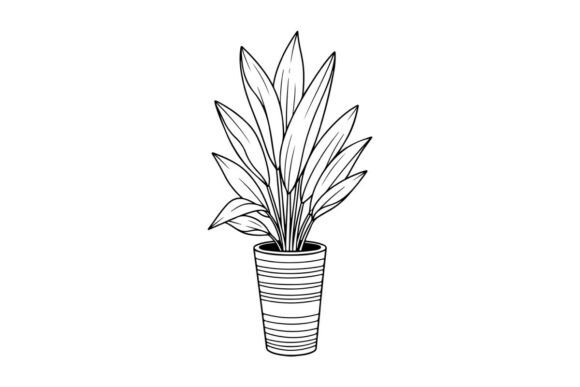
Unzipping the file, the first thing I notice is the quiet confidence of this design. The Outline of a Potted Plant isn’t flashy. It doesn’t scream for attention. Instead, it offers that rare calm, creative feeling the description hints at — clean, bold line art with carefully balanced details, perfect for a stress-free coloring session. For someone like me, who builds digital product collections for Etsy, Creative Fabrica, and print-on-demand shops, this kind of understated asset can be a secret weapon.
The illustration leans toward a modern botanical aesthetic with a touch of handmade charm. It feels more artisanal than generic clipart. The leaves are drawn with a steady hand, the pot shape is simple but not boring, and the white space is intentional. I can instantly picture a specific buyer: someone who loves adult coloring, mindful hobbies, plant decor, and nature-inspired stationery. That’s a loyal audience on platforms like Etsy, and this graphic fits right into the Coloring Pages Amp niche without feeling overdone.
Who This Asset Speaks To
Before resizing or recoloring anything, I try to name the emotional response. The Outline of a Potted Plant evokes a sense of tranquility and creative possibility. It’s not childish; it’s sophisticated enough for a premium coloring page or a stylish printable wall art piece. The mood is botanical minimalism, and that makes it incredibly flexible. It could live in a rustic farmhouse collection, a modern boho bundle, or even a set of mindfulness journal graphics.
For digital sellers, this psychology matters. When a design feels emotionally specific, it’s easier to build a cohesive brand around it. This isn’t just a generic plant outline — it’s a canvas for stress relief, and that’s exactly the message the original description emphasizes: a calming and creative experience. That’s a powerful selling point when you’re writing Etsy listing copy or designing a product showcase.
Translating the Asset into Sellable Products
I rarely use a graphic in only one way. The real test is whether it can stretch across multiple product types without losing integrity. With the Outline of a Potted Plant, I’m already sketching out at least seven different product ideas before lunch.
First, it’s a natural fit for a printable coloring page. I’d export it as a high-resolution PNG or PDF, add a simple floral border or title, and list it as a standalone digital download. But the real value comes when I bundle it. Imagine a set of 10 botanical outlines — this potted plant becomes the anchor piece. As a graphics asset, it works beautifully inside a Canva template for a mindfulness planner or a self-care printable bundle.
Beyond paper, I’m thinking about physical merchandise. The clean lines make it an excellent candidate for an SVG design. I’d test it on a simple tote bag using heat transfer vinyl, or cut it out of adhesive vinyl for a Cricut project like a mug decal or a laptop skin. Because the line art is bold and well-spaced, it should weed easily — a huge plus for crafters who sell custom goods.
For sublimation, I’d invert the line art to white on a dark background and place it on a tumbler wrap or a cozy throw pillow. The Outline of a Potted Plant gives just enough detail without becoming a blurry mess when pressed, which is a common pitfall with overly intricate coloring pages. It’s detailed, but not delicate to the point of being unusable.
Using the Design Across Product Formats
I’ve learned that the same graphic can behave completely differently depending on the format. Here’s a quick breakdown of how I’d deploy this asset:
- PNG clipart: Perfect for layering over digital papers, creating sticker sheets, or adding to scrapbooking kits. The transparent background is non-negotiable, and this file delivers clean edges.
- SVG cut file: Essential for Cricut and Silhouette users. I’d run a test cut on cardstock and vinyl to ensure the lines are connected where needed and the complexity doesn’t cause snagging. The plant’s leaves have a nice, open design that should cut cleanly.
- Printable wall art: Enlarged to 8x10 or 11x14 inches, the Outline of a Potted Plant becomes a minimal, line-art decor piece. I’d pair it with a soft, off-white background and a single word like “breathe” in a handwritten script font.
- Greeting cards and invitations: The plant motif works for sympathy cards, housewarming invites, or “thinking of you” notes. It’s universally recognizable and avoids trendy pitfalls.
- Sublimation design: The thicker lines hold up well under heat transfer. I’d test it on a mug, a tote bag, and a light-colored t-shirt to see how the line crispness translates.
- Canva template element: Many sellers build editable Canva templates for planners, social media graphics, or lead magnets. This plant outline can fill a corner, frame a quote, or become a decorative divider.
What I appreciate most is that the Outline of a Potted Plant doesn’t force me into a single-use scenario. It’s a true graphics chameleon, capable of shifting from a coloring page to a commercial product graphic without losing its identity.
Presentation and Mockup Potential
How a design looks inside a product listing is everything. A mediocre graphic can look stunning with the right mockup, and a great graphic can fall flat without one. I immediately tested the Outline of a Potted Plant on a few mockup scenes: a framed print in a bright living room, a flat-lay of a coloring page with colored pencils, and a tote bag hanging on a white brick wall. In each case, the design held the focal point without overwhelming the scene.
For Etsy thumbnails, clean outlines often pop better than fully colored artwork. The high contrast of black line art on a white or soft pastel background makes the product recognizable even at a tiny scale. That’s a huge advantage for click-through rates. I’d also consider using a close-up of the leaves or the pot’s texture as a secondary image to build trust and show the quality of the line work.
When I’m building a product bundle, the Outline of a Potted Plant can serve as a visual anchor across listing images. Consistent use of the same graphic in thumbnail previews, PDF covers, and promotional social media graphics strengthens brand recognition. For a small business, that kind of visual cohesion is priceless.
Where It Shines and Where to Tread Carefully
No design asset is perfect for every scenario. The Outline of a Potted Plant thrives in medium-to-large formats where the line art can breathe. It’s an ideal choice for:
- Large product previews and printable bundles
- Decorative layouts for planners, journals, and stationery
- Merchandise graphics like sweatshirts, tote bags, and mugs
- Social media promos where the image can fill space
- Digital download collections centered on mindfulness or botanical themes
However, I’d be cautious when using it in very small spaces. As a tiny sticker detail — say, under half an inch — the fine lines might lose definition. On a crowded thumbnail with multiple competing elements, the plant could become a shapeless blob. For Cricut projects, the weeding process might get tricky if the stem is too thin; I’d always test a cut before publishing a listing. Dark backgrounds also require attention: the line art should be inverted or recolored, or the contrast will fail. And if you’re planning a text-heavy template, like a resume or a business card, the botanical outline could feel out of place or clutter the visual hierarchy.
None of these are deal-breakers, but they’re the kind of honest checks every seller should run before committing to a product line.
Practical Seller Testing Notes
I’ve ruined a few product launches by skipping the fundamentals. Now I have a checklist, and the Outline of a Potted Plant is no exception. Here’s what I’d verify before listing it anywhere:
- Mockup test: Place the design on a real product mockup (not just a flat JPEG) and check for scaling, alignment, and visual presence.
- Thumbnail simulation: Shrink the main image to 100x100 pixels. Does the plant outline still read as a plant? If not, adjust the cropping or add a subtle background shape.
- Background contrast: View the design on both white and dark backgrounds. For dark surfaces, create a version with white lines or a soft pastel recolor.
- Print quality: Print the design at actual size on a home printer. Check for any jagged edges, pixelation, or thinning lines. The bold line art should survive typical ink bleed.
- PNG transparency: Open the file in Photoshop or GIMP and confirm the edges are clean with no white fuzz. Any halo around the leaves will ruin a sublimation product.
- SVG cut quality: If the asset includes an SVG, send it to a Cricut or Silhouette. Weed the design and observe any areas where the blade struggles. Slightly thickening the stem might be necessary for flawless cuts.
- File resolution: Ensure the PNG is at least 300 DPI for printable products. For larger sublimation blanks, 600 DPI is safer.
- Customer file organization: If I’m selling the asset as a digital download, I’d package it with clearly labeled folders — PNG, SVG, JPG, and a PDF coloring page — and include a simple license guide.
These steps aren’t exciting, but they separate a polished shop from a sloppy one. And they take less than an hour.
Pairing with Fonts and Layouts
Typography can make or break a design asset. The Outline of a Potted Plant has a gentle, organic feel, so I’d avoid cold, geometric fonts. Instead, I’d test it with:
- Serif fonts: A classic, understated serif like Playfair Display adds a touch of elegance for wall art or book covers.
- Sans serif fonts: A clean, airy sans serif (think Lato or Montserrat) works well for modern planner inserts or Canva templates.
- Script fonts: A flowing, calligraphic script paired with the plant outline creates a romantic, boutique feel for wedding invitations or greeting cards.
- Handwritten fonts: A natural, imperfect handwriting font mimics a personal journal and suits mindfulness printable collections.
- Display fonts: For a bolder statement, a trendy display font with a slight curve can echo the pot’s shape and create a cohesive composition.
I always keep a few font pairings ready in my design tool. For this graphic, a combination of a delicate serif for the title and a light handwritten font for the body text feels like a guaranteed winner for a printable coloring page cover.
Commercial Licensing and Long-Term Use
Before selling anything, I double-check the license. The Outline of a Potted Plant falls under the Graphics category, and many marketplaces like Creative Fabrica offer a commercial license for such assets. However, I’d never assume. I’d confirm whether I can use it in finished products for sale, in print-on-demand, or as part of a larger bundle. If the license restricts reselling the standalone file “as is,” I’d make sure to add substantial value — like combining it with four other designs, adding a color palette, and including a usage guide. That transforms it into a brand-new product that’s safe to sell.
For long-term brand building, this graphic is a keeper. The botanical theme doesn’t expire with seasons, and a potted plant speaks to both home decor enthusiasts and self-care shoppers. I can see it staying relevant in my shop for years, especially if I refresh it occasionally with different pot styles or seasonal leaf variations.
Final Thoughts for Creative Entrepreneurs
After spending a few hours with the Outline of a Potted Plant, I’d call it a quiet workhorse. It’s not the kind of asset that will dominate a trending niche overnight, but it will steadily support a variety of product lines — coloring pages, craft projects, sublimation goods, and digital templates. The clean, bold line art delivers on the promise of a calming, creative experience, and that’s exactly what buyers in the Coloring Pages Amp space are looking for.
For sellers who build their shops around mindfulness, nature, or simple pleasures, this graphic is a reliable addition. It doesn’t need much tweaking to shine, and its commercial potential is broad. Test it thoroughly, present it beautifully, and pair it with complementary fonts, and the Outline of a Potted Plant can quietly become a bestseller in your collection.