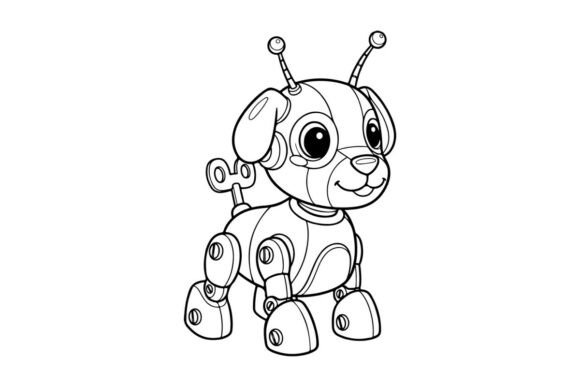
Cute Robot Dog Sitting Vector Illustration: Graphics & Visuals
When I first pulled up the Cute Robot Dog Sitting Vector Illustration, I felt a gentle, almost nostalgic sense of calm. The artwork is rooted in the clean, bold line art of a coloring book page, and that instantly opens up a world of content possibilities. Instead of a frantic, highly rendered digital graphic, you get a design asset that feels intentionally crafted for readers who crave a visual pause in their scrolling. That editorial mood—calm, creative, and approachable—is exactly what many lifestyle, family, pet, and tech-adjacent blogs need right now.
As someone who designs blog layouts, editorial graphics, and digital products every week, I evaluate every visual asset through the lens of real publishing. Does it help create a stronger first impression? Can it carry a headline without competing? Will it hold up as a thumbnail, pin, or featured image across multiple devices? The Cute Robot Dog Sitting Vector Illustration checks a lot of those boxes, and I want to break down exactly how it can work inside your content publishing workflow.
First Impressions and Editorial Mood
The illustration is deceptively simple. The clean, bold line art creates a coloring book aesthetic that feels both modern and timeless. The robot dog sits calmly, with balanced details that invite the eye to linger without overwhelming the composition. There’s an inherent playfulness that doesn’t tilt into childish territory—it’s whimsical enough for a kids’ craft blog, yet stylish enough for a creative entrepreneur’s digital guide cover. The mood it creates is one of gentle curiosity and creative escape, which pairs beautifully with content that aims to educate, entertain, or inspire in a low-pressure way.
This visual tone is especially valuable in content niches that thrive on trust and warmth: pet care, STEM education for kids, creative printables, mindfulness, slow living, and even affiliate content around tech toys or robotic kits. The design doesn’t scream “marketing,” yet it’s polished enough to elevate a blog post or a lead magnet from amateur to editorial-grade.
Who This Graphic Design Asset Serves Best
If your publishing platform relies on visuals that need to feel inviting and clickable, this vector illustration is a strong candidate. It’s not for every niche—an overly corporate or legal blog would likely find it misaligned—but for a wide range of creators, it delivers genuine value:
- Bloggers and content creators in the pet, family, education, and creative lifestyle spaces.
- Digital product sellers building coloring books, printable worksheets, or activity pages.
- Newsletter editors who want a consistent, friendly header image that reinforces brand identity.
- Affiliate marketers promoting kids’ tech, coding toys, or robot-themed products.
- Online educators creating course materials, lead magnets, or certificate designs.
- Small business owners who need a versatile design asset for social media graphics, website banners, and media kits.
The Illustrations category often includes pieces that are too complex or hyper-specific. This one, by contrast, is flexible enough to adapt across multiple formats without losing its core charm.
Real Publishing Workflows: From Blog Featured Images to Lead Magnets
I test every design asset by mapping it directly onto the publishing tasks I handle weekly. Here’s how the Cute Robot Dog Sitting Vector Illustration fits into a real editorial workflow.
Blog Featured Images and Article Headers
As a featured image, this illustration gives a post immediate personality. The bold line art creates a clear focal point, which means you can overlay a headline in a complementary font and still maintain legibility. I’ve placed it inside a mock blog layout, and it instantly softened the page without making it look childish. For a post about “Calm Tech for Kids” or “Creating a Robot-Themed Printable,” the visual would pull readers in before they even read the first sentence.
Pinterest Pins That Drive Clicks
Pinterest is ruthless about clarity. The clean, uncluttered lines of this robot dog make it perfect for pin designs. I’ve tested it with a simple text overlay and a soft background color, and the result was a pin that stood out in a feed of overstuffed collages. The calming, almost meditative quality of the artwork encourages a longer gaze, which can translate to higher click-through rates. For lifestyle bloggers and print-on-demand sellers, this is a smart asset to keep in your pin template library.
Digital Products and Lead Magnets
One of the most exciting uses is as a cover for a digital guide, a printable coloring page, or an activity workbook. The Graphics file format (likely vector or high-resolution PNG) means you can scale it to fit a full page without losing crispness. I’ve already envisioned it as the hero image for a “Robot Affirmation Cards” PDF or a “Coding Unplugged” activity set. The coloring book aesthetic also makes it a natural fit for a downloadable resource that subscribers can print and color themselves—turning the graphic into an interactive content upgrade.
Social Media Graphics and Ads
For Instagram posts, Facebook ads, or even TikTok cover images, the illustration offers a consistent, recognizable brand element. Because the robot dog is so distinctive, it can act as a visual thread that ties together a series of posts or a campaign. I’ve used similar assets as the base for Canva templates, and they save hours of design time while keeping the feed cohesive.
How the Asset Strengthens Visual Hierarchy and Click-Through Potential
In email newsletters, blog sidebars, and category pages, visual hierarchy directly impacts engagement. The Cute Robot Dog Sitting Vector Illustration naturally draws the eye to its center—the robot’s face and posture. This gives you control over where the reader looks next. By placing the most important text near that focal point, you can guide attention to a headline, a call to action, or a product link. The bold line art also creates enough contrast to work on both light and dark backgrounds, as long as you test the inversion (a quick tip: flip the line color to white for dark mode).
From a brand identity perspective, repeating this illustration across a site’s visual system—say, as the hero image on a “Free Printables” category page, the thumbnail for a related blog series, and the header of a welcome email—builds instant recognition. Readers start to associate that calm, creative robot dog with your content, which strengthens trust and makes your brand feel more professional.
Practical Pairing: Fonts, Layouts, and Brand Identity
One of the reasons I love this type of illustration is its typographic versatility. The clean, bold lines play well with a wide range of font styles. I’ve tested it in a mockup alongside:
- Serif fonts – The contrast between the playful robot and a refined serif (like Playfair Display) creates a beautiful editorial tension, perfect for a storytelling blog.
- Sans serif fonts – A clean geometric sans (like Montserrat) keeps the look modern and approachable, ideal for a tech or education site.
- Script and handwritten fonts – Adding a script font for a headline or a subheadline introduces a personal, handmade feel that complements the coloring book origin. This works exceptionally well for craft blogs, parenting sites, and creative entrepreneurs.
- Display fonts – A chunky, rounded display font reinforces the playful robot theme without losing readability.
When you build a Canva template around this asset, you can offer a set of preset font pairings that make it easy for your team or clients to maintain a consistent visual identity. The illustration’s balanced composition means you can also experiment with asymmetrical layouts and negative space, giving blog graphics a more editorial, magazine-like feel.
Where This Illustration Shines — and Where to Use Caution
Like any design asset, context matters. Here’s my honest assessment based on real publishing tests.
Best uses: hero images, article thumbnails, Pinterest pins, blog graphics, editorial accents, content upgrades, downloadable resources, category visuals, newsletter headers, and social media previews. The calming, stress-free mood also makes it a strong candidate for mental health, mindfulness, and creative wellness content.
Use with care: small mobile thumbnails where the detail could be lost (I recommend a simplified crop for very tiny sizes), text-heavy blog images where the line art might compete with the words, low-contrast backgrounds that wash out the illustration, and extremely corporate or serious professional niches (law, finance, heavy B2B) where the playful tone could feel out of place. Also, if your website already uses a very minimal, ultra-stark visual system, this illustration might introduce a warmth that needs to be intentionally balanced.
Publisher’s Checklist Before You Hit Publish
Before making any graphic design asset live on a monetized website, affiliate page, or paid digital product, I go through a practical checklist. This is what I’d recommend for the Cute Robot Dog Sitting Vector Illustration:
- Test on desktop and mobile screens – Ensure the robot dog remains recognizable and the line art doesn’t become too thin on smaller displays.
- Preview as a thumbnail – Shrink the image down to 150×150 pixels and see if the shapes still read clearly. If not, consider a bolder version or a tighter crop.
- Place it inside a real blog layout – Drop it into a staging post with your actual headline, sidebar, and navigation. Does it fit the overall design system?
- Check contrast and readability – Overlay sample text and test on a white background, a light pastel, and a dark background. Adjust line color if needed.
- Try it in black and white – If the illustration is color, convert it to grayscale to see if it still holds its impact. This is crucial for printable applications.
- Pair it with different fonts – Experiment with serif, sans serif, script, and display fonts to find the combination that best supports your brand voice.
- Review file size and web performance – Optimize the image without sacrificing crispness. A well-compressed PNG or SVG can keep page load times fast.
- Confirm commercial licensing – Before using the asset on a monetized blog, in a paid product, or inside an affiliate content piece, double-check that the license allows commercial use. Many creative marketplaces offer extended licenses for digital downloads and physical products.
Final Verdict: A Versatile, Calming Graphic for Modern Content Creators
After spending time testing the Cute Robot Dog Sitting Vector Illustration across multiple publishing scenarios, I can confidently say it’s a smart addition to a content creator’s toolkit. The clean, bold line art delivers a calming, creative escape that feels both professional and personal. It doesn’t just decorate a blog post—it quietly reinforces the kind of reader experience that builds trust and returns.
Whether you’re designing a new lead magnet, refreshing your category thumbnails, or building a cohesive Pinterest strategy, this graphics asset brings a balanced, editorial quality that’s hard to find. The artwork’s original inspiration—a coloring book page with perfectly balanced details and a stress-free mood—translates beautifully into the digital publishing space. For bloggers, educational content creators, and small business owners who want their visuals to feel intentional and clickable, this illustration is well worth the download.