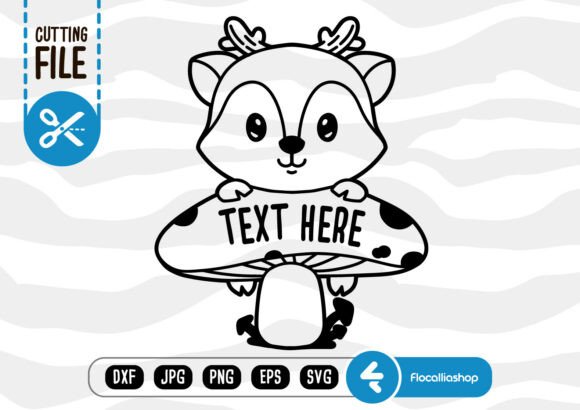
Cute Mushroom Deer SVG: Graphics for Crafts & Branding
As a brand designer, I see a lot of graphic assets. The Cute Mushroom Monogram, Deer SVG immediately felt different. It’s not just a woodland clipart—it’s a carefully composed split monogram that merges a delicate deer silhouette with a soft mushroom outline, forming a circular letter O. The first impression is gentle, storybook-like, and rooted in handcrafted warmth. It whispers organic, slow living, and whimsical nostalgia without being childish. For a specific brand project I’m currently shaping—a small-batch botanical candle line—this file hit the exact note I needed.
What mood does this graphic asset command?
The Cute Woodland Animal Mushroom Outline Monogram carries a quiet, minimalist forest charm. It feels handmade, feminine, and earthy—perfect for brands that want to signal care, nature, and gentle storytelling. The linework is clean, not overly intricate, which gives it modern versatility. It’s the kind of graphic that makes a product label look like it belongs in a curated boutique, not a mass-market shelf. Pair it with kraft paper textures, cotton ribbons, or soft pastel color palettes, and you instantly elevate the perceived value of any product.
Why this SVG works for local business branding
Small business owners often struggle to find design assets that feel truly bespoke. The Cute Mushroom Monogram, Deer SVG solves that. It offers a ready-made focal point that can anchor a brand identity without requiring a full custom illustration budget. For a local bakery specializing in sourdough and wildflower honey, I used this monogram as the hero element on a hang tag. The woodland aesthetic hinted at natural ingredients, and the split letter O framed the bakery’s name beautifully. It transformed a simple tag into a memorable brand touchpoint.
Product packaging that stops the scroll
When I mock up packaging designs, I always test how an asset performs on different surfaces. This one shines on product labels, candle jars, soap boxes, and glassine bags. The transparent background PNG version layers seamlessly over pastel backgrounds, while the SVG allows me to scale the mushroom and deer details to any size without losing crispness. For a handmade skincare line, I placed the monogram on the front label, just above the product name, and it immediately created a stronger visual hierarchy. The eye lands on the deer, then moves to the type, then to the ingredient story—exactly the flow I wanted.
Where this woodland graphic performs best
- Hero graphics on product mockups and presentation templates
- Brand accent on thank-you cards and tissue paper inserts
- Decorative element for seasonal packaging (autumn, winter, spring markets)
- Social media campaign graphics, especially for product launches or nature-inspired flat lays
- Subtle branding on hang tags, belly bands, and box sleeves
- Printable designs for sticker sheets or packaging seals
When to use it with caution
This is not a one-size-fits-all asset. I’d avoid placing the Cute Mushroom Monogram, Deer SVG on very small labels where the intricate linework might blur or feel cluttered. It also doesn’t suit formal corporate branding or ultra-minimalist luxury brands that rely on stark negative space. If your packaging already has a lot of text—ingredient lists, legal information, multiple certifications—this graphic could compete for attention rather than support it. Always test it on a real product mockup first. I also recommend checking how it reads in black and white; some delicate strokes may lose definition if printed in low contrast.
Building a consistent brand identity with a single asset
When I design for small business branding, consistency is key. The Cute Mushroom Monogram, Deer SVG can act as a unifying thread across all touchpoints. I’ve used it on business cards, website banners, and even as a subtle watermark on product photography. On Instagram, it became the recognizable corner accent for a florist’s daily story posts. The repetition of that gentle deer silhouette built a visual memory that customers started associating with the brand’s quality and care. That’s the power of a well-chosen graphic design asset.
Font pairing notes from real project testing
One of the most practical steps I take is testing the monogram beside different font styles. Here’s what I found:
- Serif fonts like Garamond or Playfair Display add a storybook elegance that matches the woodland charm.
- Sans serif fonts like Montserrat Light or Lato create a clean, modern contrast that keeps the design from feeling too rustic.
- Script fonts can work beautifully, but choose a restrained one—too many flourishes clash with the monogram’s own decorative nature.
- Handwritten fonts amplify the handmade, personal feel, ideal for artisanal food labels or bath products.
- Display fonts with a slightly vintage edge can make the whole lockup feel like a curated coffee shop menu.
How this asset improves customer trust and shelf appeal
Professional packaging doesn’t just look nice—it builds trust. When a customer sees a cohesive brand presentation, they assume the product inside is crafted with equal care. The Cute Mushroom Monogram, Deer SVG helped a local jam maker achieve that. By replacing a generic clipart label with this split monogram, the jars suddenly looked like a premium gift item. Sales at farmers’ markets increased, and the brand started getting wholesale inquiries. The emotional connection shifted from “homemade” to “artisan.”
Practical designer checklist before you use it
Every graphic asset I review goes through a real-world checklist. For anyone using this SVG, I recommend the same:
- Test it on a physical product mockup—cardboard, glass, paper, or fabric—to see how it prints.
- Check the PNG transparency on both light and dark backgrounds.
- Open the SVG in your vector software to confirm editability, especially if you need to adjust the stroke weight or color.
- Preview it on a small product label; the deer’s antlers should stay clear, not vanish.
- Compare with competitor packaging to ensure your design stands out.
- Confirm commercial licensing terms—if you’re selling physical products or using it for client work, make sure your license covers it.
- Test it beside your brand’s color palette; sometimes a simple monochrome version works best.
Integrating the asset into a full marketing strategy
Beyond packaging, this graphic becomes a valuable tool for social media graphics and promotional ads. I’ve placed it as a delicate corner frame on Pinterest pins, and as a header accent in email newsletters. It adds a consistent visual thread that makes every piece of content feel intentionally designed. For a seasonal product campaign—think autumn mushroom foraging or winter woodland skincare—this monogram becomes the face of the collection, tying together flyers, posters, and digital product previews.
When graphics become the silent salesperson
A well-placed Cute Mushroom Monogram, Deer SVG doesn’t need to shout. It works quietly, drawing the eye and creating a narrative. In a children’s product brand I consulted for, the monogram was used on a thank-you card tucked inside each order. Parents loved the “forest friend” detail, and many shared it on social media. That organic word-of-mouth came directly from a small graphic decision. It’s a reminder that emotional connection in branding often lives in the details.
Final thoughts from a working designer
I don’t often get excited about a single illustration or clipart file. But the Cute Mushroom Monogram, Deer SVG earns its place in my toolkit. It bridges the gap between modern design and handcrafted warmth, making it suitable for a surprisingly wide range of small business branding projects. Whether you’re a handmade business owner, a packaging designer, or a marketing manager, this graphic design asset offers a high return on creative investment. Just remember to treat it as part of a larger visual system—let it breathe, pair it with thoughtful typography, and always test it in the real world before you commit to a full print run. Done right, it can transform a simple product into a memorable brand experience.