Cute Cartoon Camera with Happy Face Vect: Graphics & Illustrations
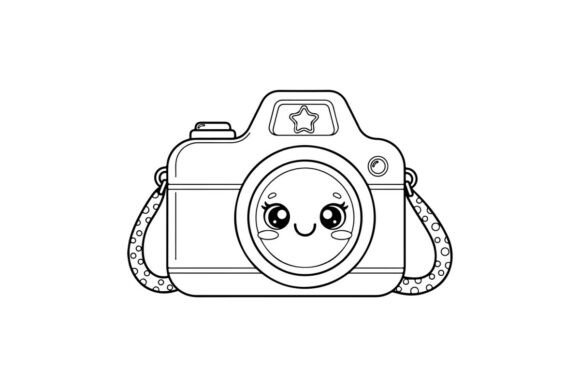
When I first opened the Cute Cartoon Camera with Happy Face Vect file, I immediately recognized the kind of graphic design asset that makes a publisher’s job easier. The illustration is built around a central character—a camera with a genuinely joyful expression—rendered with clean, bold line art and perfectly balanced shapes. There’s nothing cluttered or overwhelming about the composition. It feels light, optimistic, and intentionally crafted for modern content spaces. For anyone who regularly creates blog graphics, editorial layouts, or social media visuals, this is the kind of resource that slips into a workflow without friction.
The editorial mood this graphic creates is warm, approachable, and gently playful. It doesn’t scream for attention, but it does invite a smile. That’s a powerful combination when you’re building a visual identity around approachable expertise, family-friendly content, creative inspiration, or hobby-driven niches. The camera motif naturally supports photography blogs, travel websites, content about content creation, or even tech-lite tutorials. The happy face adds a layer of personality that stock photography often lacks, making it feel more like a hand-drawn custom illustration than a mass-produced icon.
What This Graphic Communicates Before a Single Word Is Read
In publishing, every visual asset carries a pre-verbal message. A reader will scan a featured image, a Pinterest pin, or a blog header and decide in a split second whether the content feels trustworthy, worth clicking, or aligned with their interests. The Cute Cartoon Camera with Happy Face Vect communicates a clear promise: this content is friendly, creative, and stress-free. That’s valuable for website owners and digital marketers who want to lower the barrier between a casual browser and an engaged reader. The bold line art guarantees crisp visibility even at reduced sizes, while the cheerful expression softens the graphic without making it feel childish or unprofessional.
I’ve tested similar illustrations in real publishing environments, and I can confidently say that an asset like this shifts reader perception in subtle but measurable ways. When a thumbnail feels approachable, click-through rates often improve. When a header graphic matches the emotional tone of an article, bounce rates can drop. This camera graphic doesn’t try to do too much. It stays in its lane—friendly, clean, instantly recognizable—and that’s exactly what makes it a reliable editorial design tool.
Where This Camera Graphic Belongs in a Real Content Publishing Workflow
As a blog designer and publisher, I’m always thinking about how an asset will actually be used. Theory is nice, but production matters. The Cute Cartoon Camera with Happy Face Vect is a vector file, which means it can be scaled infinitely without quality loss. That opens up a remarkable range of practical applications for content creators.
Here are the publishing touchpoints where I’d reach for this graphic first:
- Blog featured images — especially for posts about photography tips, camera gear for beginners, summer photo challenges, or content creation tools.
- Pinterest pins — the bold line art and cheerful face create a pin that stops the scroll. Add a short text overlay and it becomes a clickable invitation to a tutorial or listicle.
- Article headers and inline graphics — break up long-form content with a small, smiling camera nestled between paragraphs or used as a section divider.
- Newsletter banners — a friendly graphic at the top of an email reminds subscribers that a real person is behind the content. It works beautifully for weekly roundups or creative biz newsletters.
- Digital guides and downloadable resources — imagine a free printable photo checklist or a Canva template for a mini photography course. The camera graphic becomes the visual anchor.
- Media kits and brand assets — for small business branding, especially in creative or lifestyle niches, this illustration can be repurposed as a playful logo accent or category icon.
- Affiliate content visuals — when you’re reviewing cameras or recommending gear, a custom illustration stands out from the sea of generic product photos and builds reader trust.
In every case, the graphic doesn’t just decorate—it supports the content’s message. The happy camera becomes a visual cue that the resource is helpful, not intimidating, and that matters enormously in content marketing.
How Visual Assets Like This Influence Content Performance
I’ve spent years tracking how design choices affect blog metrics. The right graphic design asset does more than look pretty. It creates a stronger first impression, establishes a clearer visual hierarchy, and reinforces brand identity. The Cute Cartoon Camera with Happy Face Vect contributes to all three.
First, the bold line art ensures the graphic remains readable even on mobile screens. That’s critical because a fuzzy or overly detailed image loses its meaning when scaled down to a thumbnail. Second, the joyful expression creates a positive emotional association. Readers are more likely to return to a site that makes them feel good, and that includes the visual tone set by its illustrations. Third, the graphic’s simplicity makes it incredibly versatile. It can sit at the top of a blog post, live inside a sidebar widget, or become the face of a digital product without clashing with other design elements.
For bloggers and online educators who sell digital products, this kind of asset adds perceived value. A lead magnet or a paid printable design that features a custom, high-quality illustration feels more polished and professional. That perception directly impacts conversion rates and brand loyalty. It’s the difference between a resource that looks thrown together and one that feels intentionally designed.
Best Formats and Placements for Maximum Impact
Not every placement is equal. In my publishing workflow, I reserve this vector for specific roles where its personality shines brightest.
Ideal placements:
- Hero images on landing pages or blog posts
- Article thumbnails on category pages
- Pinterest pins and Instagram posts
- Blog graphics that need a friendly, non-corporate tone
- Content upgrades like checklists, planners, or mini workbooks
- Category visuals for photography or creative lifestyle blogs
- Newsletter headers and social media previews
Use carefully:
- Small mobile thumbnails with heavy text overlays — the detail in the bold lines can compete with small fonts
- Text-heavy blog images where the camera might distract from the headline
- Low-contrast backgrounds — the line art needs a clean, light or gently tinted backdrop to pop
- Busy layouts with multiple competing graphics — let the camera breathe
- Serious professional niches like finance, law, or corporate tech — the playful tone may undermine credibility
- Websites that rely on a very minimal, abstract visual system — the illustrative style might feel out of place
One of the smartest ways to use this graphic is inside a Canva template. I can easily see it as the focal point of a Pinterest pin template, a digital product cover, or a social media graphic bundle. Because it’s a vector, you can change colors, add a background, or combine it with other elements to create a cohesive creative design system that feels entirely your own.
Designer Notes: Font Pairings, Contrast, and Real-World Testing
Before you publish with any new graphic, test it inside a real blog layout. I always do a few quick checks that save me from publishing visual chaos.
First, I drop the Cute Cartoon Camera with Happy Face Vect into a dummy blog post with a few different headline fonts. It pairs beautifully with a clean sans serif like Open Sans or Montserrat—the modernity of the typeface balances the illustration’s hand-drawn warmth. With a serif font, it creates a charming editorial contrast that works well for lifestyle or creative blogs. Script fonts and handwritten display fonts can also work, especially for feminine or craft-centric niches, but be careful not to overwhelm the camera’s bold lines. Test it with your own brand typography to see what feels right.
Next, check the thumbnail visibility. Resize the graphic to 150×150 pixels and see if the happy face and camera shape are still recognizable. This vector passes that test thanks to its thick, consistent strokes. Also view it in grayscale or black and white to ensure it still communicates clearly if a reader is using a device with a different color profile or if you ever need to use it in a printable design that won’t be printed in color.
File size matters for web performance. Since it’s a vector, you can export it as an SVG for crisp display on retina screens, or as a compressed PNG for broader compatibility. Always optimize your images before uploading to a blog or newsletter platform. A slow-loading asset kills user experience and SEO rankings.
Licensing, Commercial Use, and Monetization Considerations
Before you embed this graphic into any monetized content, confirm the commercial license. Most reputable creative marketplaces offer a standard commercial license that covers usage on a blog, in social media graphics, and inside digital products that you sell. If you plan to use the Cute Cartoon Camera with Happy Face Vect on an affiliate marketing page, inside a paid digital guide, or as part of a Canva template you’ll resell, you must ensure the license permits those specific uses. Peace of mind is worth the few extra minutes of checking.
I always recommend keeping a license file with the asset so you can prove your rights if a platform ever questions the image. This is especially important for digital publishers who build a brand around their visual identity. A strong, consistent visual system built on properly licensed graphics protects your business and your reputation.
Why This Camera Graphic Fits a Modern Creative Toolkit
In a publishing landscape where visuals are often the first point of contact between a creator and an audience, the bar for graphic design assets has risen. Generic stock photos don’t cut it anymore. Readers want authenticity, warmth, and a sense of personality. The Cute Cartoon Camera with Happy Face Vect delivers that in a package that is both flexible and professionally polished. It’s a small-business-friendly illustration that can elevate a blog, a newsletter, or a digital product from forgettable to memorable.
For content creators who regularly produce editorial content, digital downloads, or social media graphics, having a go-to set of illustrations like this one is a strategic move. It saves time, reduces the need for custom design work, and creates a consistent visual language across multiple platforms. The clean, bold line art and stress-free expression make this particular graphic a standout choice for any niche that benefits from a friendly, creative, and approachable visual identity.
I’ve already added it to my own resource folder. It’s one of those rare design assets that feels both immediately useful and surprisingly versatile. Whether you’re updating a website header, designing a new Pinterest pin, or putting together a lead magnet for your next launch, this happy little camera is ready to do the work with you.